PFAS 101
PFAS, aka “Forever Chemicals,” are a major public concern for 3 key reasons.
Persistent - They are very difficult to degrade, unlike most other pollutants, so they build up everywhere. This is why we call them ‘forever chemicals’.
Prevalent - They are found in every body of water on the planet, as well as in many other places, such as soil, food, and all human beings.
Poisonous - They are associated with significant health changes (disease) even at incredibly small amounts.
The internet is filled with information, but not all of it is useful or accurate. We have curated these sources for you all to learn more.

Science and Product Safety
If you are a scientist, business owner, or just a savvy shopper, we highly recommend PFAS Central.
This is a project from the Green Science Policy Institute, a non-profit led by scientists working to protect our health.
To find PFAS-free products, use their PFAS Central database linked here.
We also partnered with North Carolina State University’s Superfund team to create a hub of community resources here.
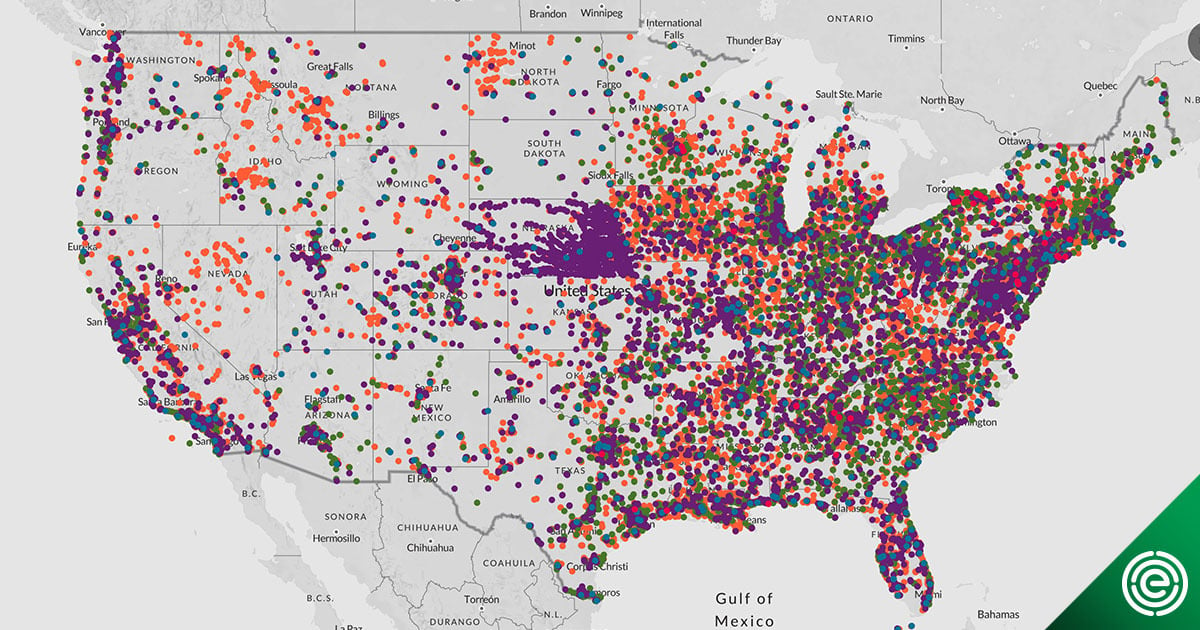
US Water Exposure Map
Are you curious about exposure in your area? If you are in the US, this will help you.
The Environmental Working Group created an interactive map using Northeastern University and EPA data on PFAS found in drinking water.
Note this map is limited: only a small fraction of all PFAS were tested for, many areas were not tested, and drinking water is only one exposure route. Consider that, here is a link.
Numbers are reported in parts per trillion (PPT), so, for reference, the EPA has said a “safe” level would be below 70 ppt (although leading research says even 0.1 ppt is too dangerous).
Journalism and Reporting
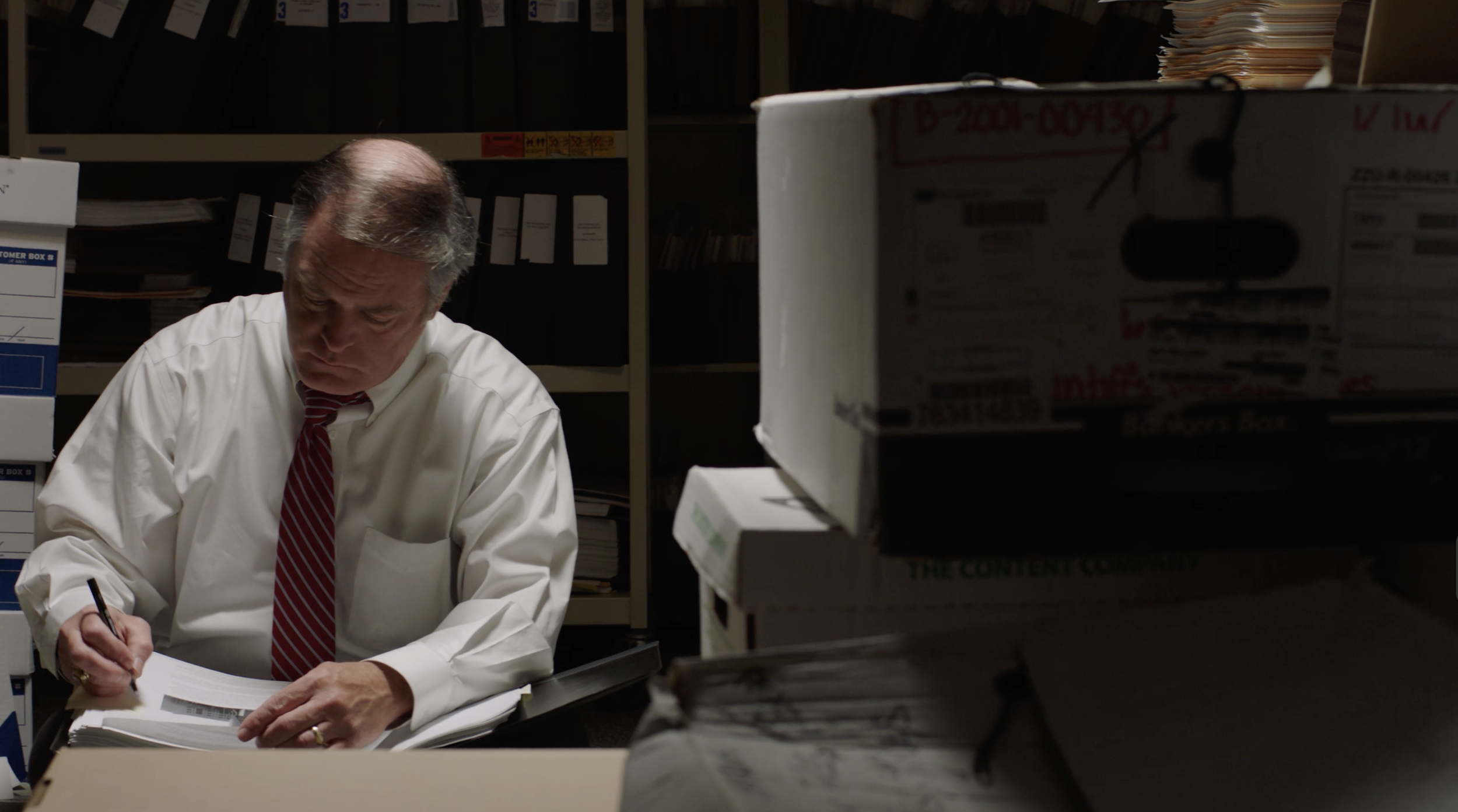
Reporting on PFAS has increased drastically in the past decade. A key article for spurring public attention is the NY Times Article “The Lawyer Who Became DuPont’s Worst Nightmare”.
This article caused a great deal of buzz, resulting in two films, including the documentary THE DEVIL WE KNOW and the Hollywood feature film DARK WATERS.
However, the most extensive reporting on PFAS we’ve seen came a year prior. An ongoing series by journalist Sharon Lerner. If you really want the in-depth stories, we strongly recommend this series - Bad Chemistry.
For anyone from the North Carolina area looking for the local scoop, we recommend a radio documentary by Vince Winkel: Gen X - A Toxic Year.